Why I Switched My Entire Skincare Routine to Korean Cosmetics (And Never Looked Back)
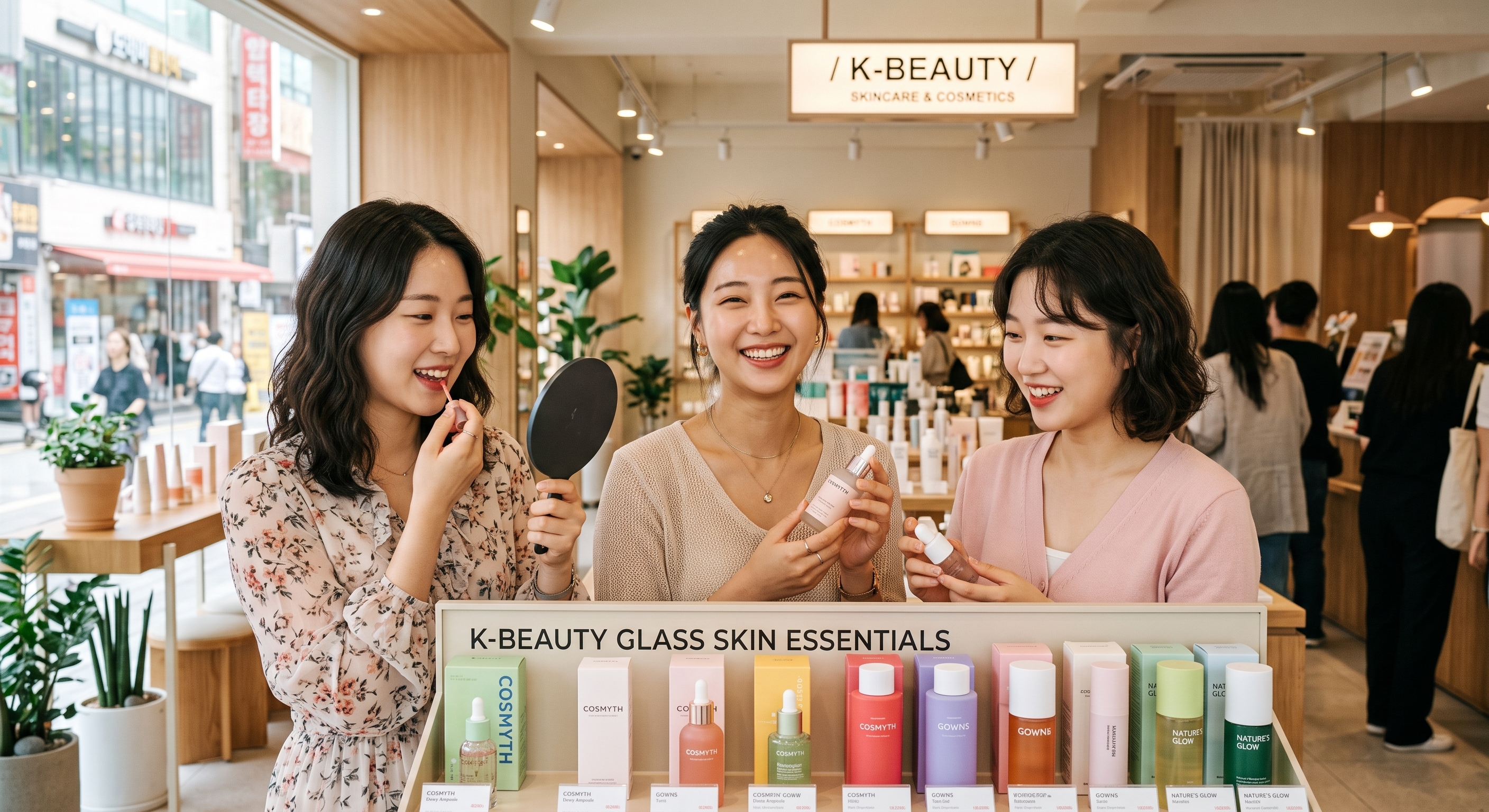
Why I Switched My Entire Skincare Routine to Korean Cosmetics (And Never Looked Back)
Three years ago, my skin was a mess. Dry patches in winter, breakouts every time I tried a new "miracle" product, and a bathroom shelf full of half-used bottles that promised everything and delivered nothing. A friend who'd lived in Seoul for two years finally sat me down and said, "Just try Korean skincare for a month. That's it. One month." I did. I never went back to my old routine.
This isn't a sponsored post. This is me, genuinely walking through why Korean cosmetics (K-beauty) earned a permanent spot in my daily routine, what makes the formulas different from what I used to buy, and which products actually made a visible difference for me.
What Actually Makes Korean Cosmetics Different
The first thing I noticed wasn't the packaging (although, let's be honest, it's beautiful). It was how the products felt on my skin, and how quickly I understood why.
1. Ingredient-First Culture
Korean beauty brands built their reputation on ingredients that have been used in traditional medicine for centuries — centella asiatica, ginseng, rice extract, mugwort, green tea — reformulated with modern dermatological research. It's not marketing dressed up as science; it's decades of R&D investment that Korean cosmetic companies are genuinely known for globally.
2. The Multi-Step Routine Isn't a Gimmick
I used to roll my eyes at the "10-step Korean skincare routine" headlines. After trying it myself, I realized the point was never to use ten products every day — it was learning to layer thin, hydrating formulas (essences, toners, serums) in a way that actually lets your skin absorb each step instead of sitting on top as a heavy cream barrier.
3. Fermentation Technology
A lot of Korean formulas use fermented ingredients — fermented rice water, fermented soybean, snail mucin — which break down actives into smaller molecules that are easier for skin to absorb. This was the single biggest difference I felt in the first two weeks: my skin actually looked like it was drinking the product instead of just sitting there.
4. Gentle, Barrier-Focused Formulas
Coming from Western drugstore products that often leaned on strong actives (high-percentage acids, heavy fragrance), I noticed Korean formulas tend to prioritize skin barrier health first. That mattered a lot for someone like me with reactive, easily irritated skin.
The Products That Actually Changed My Skin
I'm listing these in the order I introduced them, because that order mattered for how my skin adjusted.
Snail Mucin Essence
I was skeptical about this one for obvious reasons, but snail mucin is genuinely one of the most talked-about K-beauty ingredients for a reason — it's known for supporting hydration and skin repair. Within about ten days, my post-breakout marks visibly faded faster than anything else I'd used before.
Centella Asiatica (Cica) Cream
For calming redness and irritation, this was the product I reached for during a particularly bad flare-up. Cica-based creams are a staple in Korean pharmacies for a reason — they're formulated specifically to soothe compromised or sensitive skin.
Rice-Based Toner
Rice water has been part of Korean skincare tradition for generations, prized for brightening and softening skin texture. This became the step that made the biggest visible difference in my skin tone evenness.
Sheet Masks (My Weekly Non-Negotiable)
I was never a "mask person" until I tried Korean sheet masks weekly. The sheet material itself holds far more essence against the skin than typical rinse-off masks, and I noticed a genuine plumping effect that lasted well into the next day.
Why Korean Cosmetics Are Worth the Investment
- Research-backed formulations: Korean cosmetic companies are consistently among the fastest to bring new dermatological research into commercial products.
- Affordability relative to quality: Compared to many premium Western skincare lines, K-beauty products are often priced more accessibly while using comparable or novel active ingredients.
- Innovation speed: New textures, delivery systems (ampoules, essences, sleeping masks), and ingredient combinations tend to appear in the Korean market well before they trend elsewhere.
- Focus on barrier health first: Rather than aggressive exfoliation-first routines, the overall philosophy prioritizes long-term skin resilience.
How I'd Suggest Starting (If You're New to This)
Don't buy ten products at once — that was my early mistake. Start with one hydrating essence or toner and one calming moisturizer, and give it two to three weeks before adding anything else. Skin needs time to show you what's actually working.
My Simple Starter Set
- A gentle, low-pH cleanser
- A hydrating essence or toner (rice or ginseng-based is a great entry point)
- A centella or snail mucin serum for repair
- A lightweight, barrier-supporting moisturizer
- Sunscreen — always, without exception
Frequently Asked Questions (FAQ)
Final Thoughts
I didn't expect a friend's offhand suggestion to change my entire relationship with skincare, but here we are three years later and Korean cosmetics are the only thing on my shelf. If you're curious where to start, the routine above is exactly where I'd point a beginner.